
High-Intent Shoppers are Slipping Away — How Smart Travel Companies Are Stopping that Loss
You might be doing the right things to attract visitors to your travel site via SEO, social, and PPC. Yet when they arrived, you’ve seen bookings stall, pages skimmed, and their confidence quietly faded. They left.
The pain for you is that you don’t know why your visitors aren’t exploring, deciding and booking. Your visitor loss/abandonment is likely your number one business problem, creating significant lost opportunity. The pain of not knowing hits hard.
These interested visitors aren’t casual browsers. They’re arriving and comparing options, checking availability, feeling the vibe of your brand and company. And they’re quietly deciding whether you’re worthy of trust — the travel company they want to buy from. When these moments are mishandled, the cost isn’t just a missed purchase—it’s wasted readiness, weakened confidence, and revenue that should have been yours.
Marketers are focusing more on doing what will capture traveler’s intent at the exact moment it appears. This is why AI personalization is improving sales and revenue. The content is aligning more perfectly with traveler desires thus reducing friction. When alignment is high, friction decreases. The travelers feels stronger emotions where their desire exceeds their reserve, and they make the booking. For them it’s a moment of relief and almost celebration.

Intent-to-Action Optimization
Travel marketers are already focusing on this, but often it’s with CRO tricks and gimmicks. Too often that just creates more friction and noise.
As shoppers interact with you ecommerce material, they’re giving off clues about how they feel. But do you have the analytics tools to understand? How do you optimize this process? The challenge is to design content to answer visitor’s specific issues, to unleash all of their buying intent right now. Their intent is blocked by debris that CRO may not be able to erase.
More thought needs to go into your full persuasion strategy for the full content funnel which is designed to generate conversion in the moment. It’s all solvable with study and patience. There’s a lot you can do right now to create clear paths to satisfaction for your visitors.
What Are These People Thinking About?
Most travelers don’t buy right away and instead return to your site to see if they can continue to develop a case to buy from you. Is your site making a good case — impact, confidence, trust? They’ve got lingering questions about the trip and buying from you. This is your lost opportunity — to identify the friction and clear it away and give them a runway to a great trip. You’ll be illuminating the real sources of your low sales — and correcting course for an enjoyable sales year.
A key part of closing the sale comes down to answering their key questions right now such as:
- How strongly do I feel about making this trip? (hopefully your content/messages captured that)
- Do I like and trust this company? (Are you transparent, professional, with good reviews?)
- Is this trip for someone like me? (how personalized is the content to their wishes?)
- Is this actually worth the money? (how did you characterize the value they’ll receive?)
- Are these accommodations not right? (if they don’t like them, the whole trip is cancelled)
- Is this description truthful, authentic and accurate? (is your promotional copy sincere?)
- what’s stopping me from booking right now? (did you deal with their key friction and stalling points, and resolve their key emotional pain points?)
- Is this place safe, fun, relaxing? (did you portray the destination as having these security and comfort features?)
- Can I cancel or change itineraries? (what flexibility did you indicate?)
As covered in other posts, it’s a matter of getting all their emotions aligned and focused right now — creating one positive mindset that gives themselves permission to say yes, and buy.
What Are Outcomes with this Focus on High-Intent Travelers?
Let’s clarify why you’re doing this and the incredible benefits you might enjoy:
- 2–3× higher conversion rates
- prevent wasting up to 70% of your ad budget
- cut acquisition costs by 30–45%
- spend more time focused on serving real customers
- spend more time creating and optimizing content that converts rather than education for new awareness and planning stage buyers (who must be continuously reached)
- capture tired/exhausted shoppers before they fade away and lose interest
- build your email/customer base faster
- giving up fewer prospects to competitors who capture them
Travelers Absorb So Much Messaging from Other Travel Companies
Another point to be made about ready to buy traveler conversion is the noise in the travel marketplace. Customers have a lot of information sources and options in products, experiences and providers.
When you reach them first, it’s a whole new ball game. Now your booking pages look as interesting to them as they ever will, and their mind is clear and uncluttered. This is where intent is highest and conversion is too.
Help High-Intent Travel Buyers with:
- Friction reduction – These people already know where they want to go. The goal is removing every obstacle between intent and booking. This means faster site speed, most relevant content/messages/navigation, fewer form fields, saved payment methods, one-click rebooking for returning customers.
- Scarcity and urgency done authentically – Not fake countdown timers, but real inventory transparency. “3 rooms left at this price” works because travel inventory actually is finite. Sites often show a “X people looking at this deal right now” notification and other time limited tactics to encourage commitment.
- Social proof at the decision moment – Reviews aren’t just trust-building anymore; they’re conversion tools. Placing the right review snippet at checkout (“Best hotel location in Rome”) addresses last-minute hesitation and keeps the flow going.
- Price anchoring and framing – Showing the total cost breakdown, or per-night rates, or comparing against higher-priced options can raise conversion. Supportive messages such as “You’re getting a great deal” while they’re choosing to book.
High-intent travelers on your booking pages are in a validation and reduction of buyer’s remorse mindset. They’ve decided to travel – now they need to peak their confidence that they’re making the right specific choice.
Conversion Pathway
Typically, travel shoppers arrive on your homepage, a PPC landing page, or a blog post via Google.
Then, as Expedia does, they’re forced to use a trip search box and are then delivered to the trip results page where they can refine their itinerary and choices. They review the images, prices, features, amenities, highlights, traveler reviews, FAQs, and can ask a question.
Does that standard trip shopping user interface get the job done? On Expedia, it might, given Expedia’s big money branding effort has already established reliability, trust, value and popularity and only has to help the visitor choose their trip. Shoppers don’t visit their about page, but your visitors will be poking around to learn more about your company before booking. It’s part of the checkout gauntlet you must run.
Greeting Each Visitor and Resolving their Buying Friction
For a boutique agency like yours, it requires more attention, a strategy along with a better user experience in your booking pages. Borrowed and standardized likely won’t work. Your content and checkout experience is highly geared to your target audience’s liking.
The questions of “do I want this trip?” and “why this place” and “do it like this company” or “is this company trustworthy?” have to be answered in copy. Big picture first, or they won’t get to the details.
Your personalized travel articles and guides, FAQS, etc., crafted for them specifically, has this built-in persuasion, that grows their desire and removes uncertainty. This gets them focused on big picture emotional satisfaction and a clear path to purchase. The more successful that is, the less attention they’ll pay to friction items such as “no hot tub” and “no free continental breakfast”, or “no ocean view.”
Persuasive content pays big attention to confidence and feeling really good. Is your problem your travel brand, production selection, copy tone of voice, or the picture of value they feel they’re getting.
Trip Descriptions on Booking Pages
Ground zero is your booking pages. Does the customer feel good with this experience? Sometimes they’re too general providing a smorghasboard of options, rather than showing the most relevant and compelling experiences for that traveler. Sometimes the descriptions are so sparse and poor reading that they don’t entice or are irrelevant.
Expedia’s trip listings imply visitor trust and intent as you can see in these images below. Their travel brand did that. There shopping cart is simplified with minimal friction and turnoffs to allow the visitor to just “make a choice and go with it.” That’s an interesting approach.

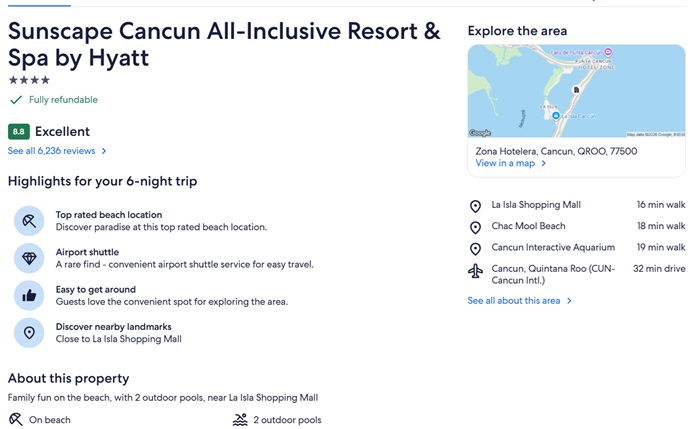
In following the checkout process on Amazon, the only friction I found was the “sketchy looking airlines” and 8 to 12 hour flights. The airlines is the unknown Republic Airlines who use Embraer jets made in Brazil. I could book a safer, quicker flight for $500 more, a sizable sum. How would you feel if you were in this decision point? Would it stop you?
Okay, your booking process may be different, or may just be rented from a major booking engine. There may be things you can do to optimize that experience. Or, you will have to pre-view these fiction points beforehand, and help orient your customers before they launch into online booking or a direct booking with your travel consultants.
The goal is to find all of these friction points and use your web content to pre-solve them.
What’s Next?
You could partner up with someone who loves diagnosing issues in the sales-conversion and persuasion process. Mapping out your conversion process, why it succeeds and fails, and then tracking back to your top of funnel content, could be a fun, illuminating venture. Ask me about a free audit of your content experience and conversion process.
See more on the most effective content features, most powerful high conversion tactics , buy now and pay later incentives, and what makes travel content great.


